About the Archaeological Site
A unique archaeological site showcasing Albania's rich antiquity heritage through a classic Roman villa rustica that evolved over centuries, now hosted within an award-winning modern building where history can also be discovered through interactive multimedia installations.
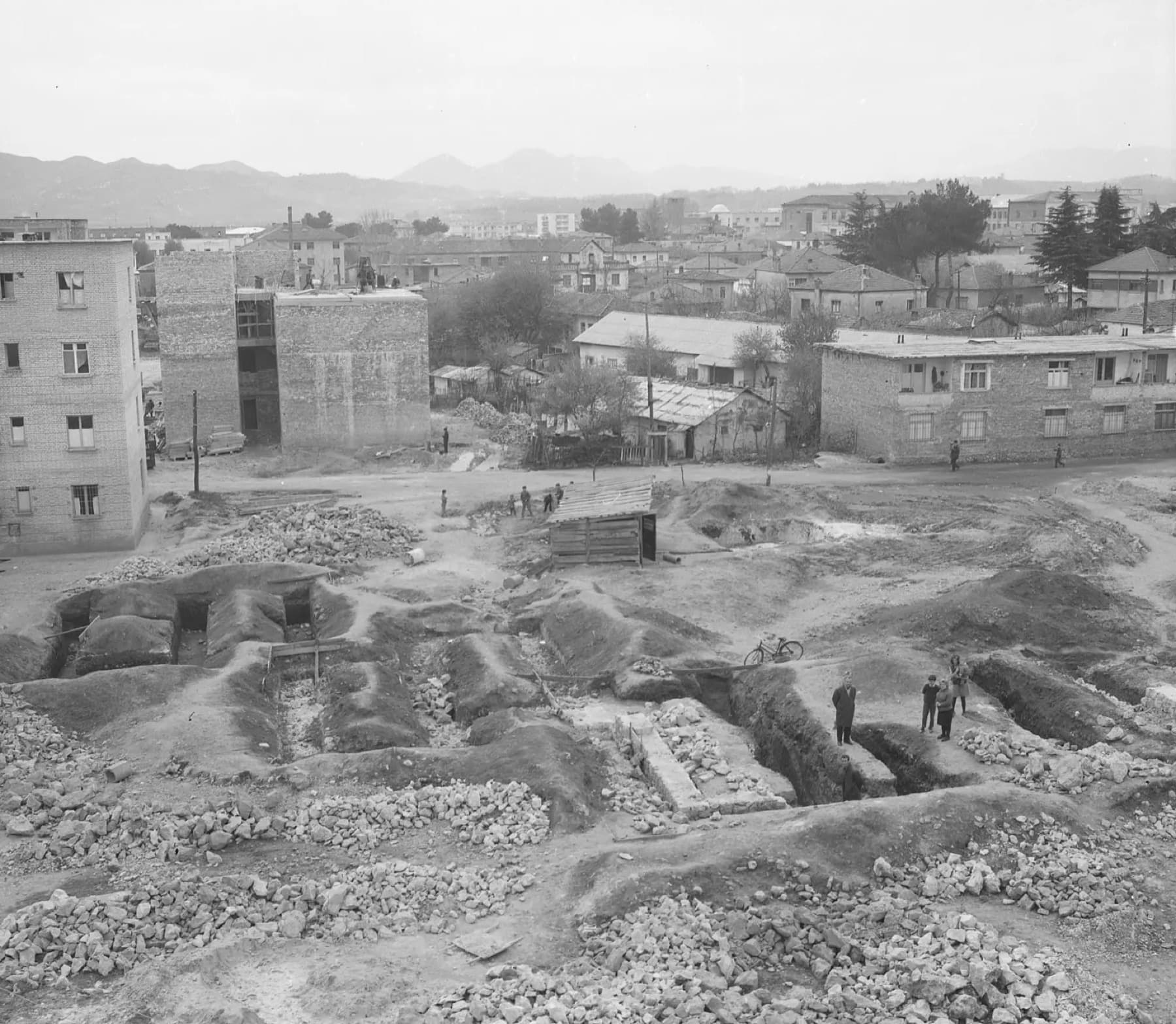
The Discovery of an Archaeological Site
In 1972, during the construction of a residential building in the "Partizani" block, the ruins of an ancient complex with floors decorated with polychrome mosaics were discovered. Subsequent archaeological excavations revealed that the settlement dates back to the 1st century AD, uncovering an unknown chapter of Tirana's early history.
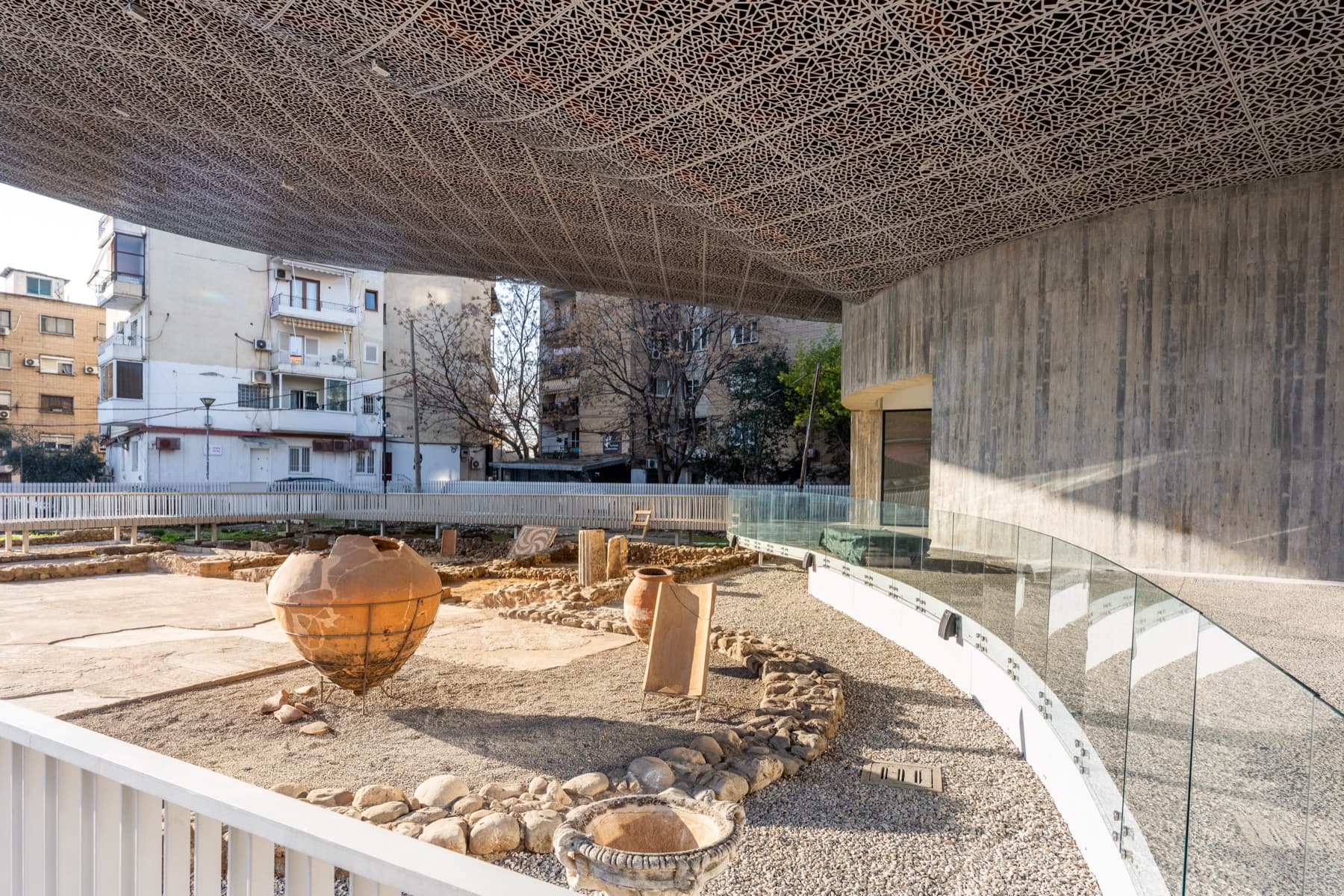
The Roman Villa
In its early phase, the complex functioned as a villa rustica, a typical Roman rural dwelling. In the 3rd century, it was restructured and expanded, organized into pars urbana (the residential area) and pars rustica (the production area with an agricultural function).
In the 4th century, part of the spaces was decorated with mosaics created using the opus tessellatum technique, featuring mostly geometric motifs made of thousands of natural-colored stone tesserae. Recent excavations confirm that life here continued from the 1st century until the beginning of the 6th century, where discovered materials—such as tiles, bricks, coins, and ceramics—bear witness to uninterrupted activity. The site represents a rare testimony to the early history of Tirana.
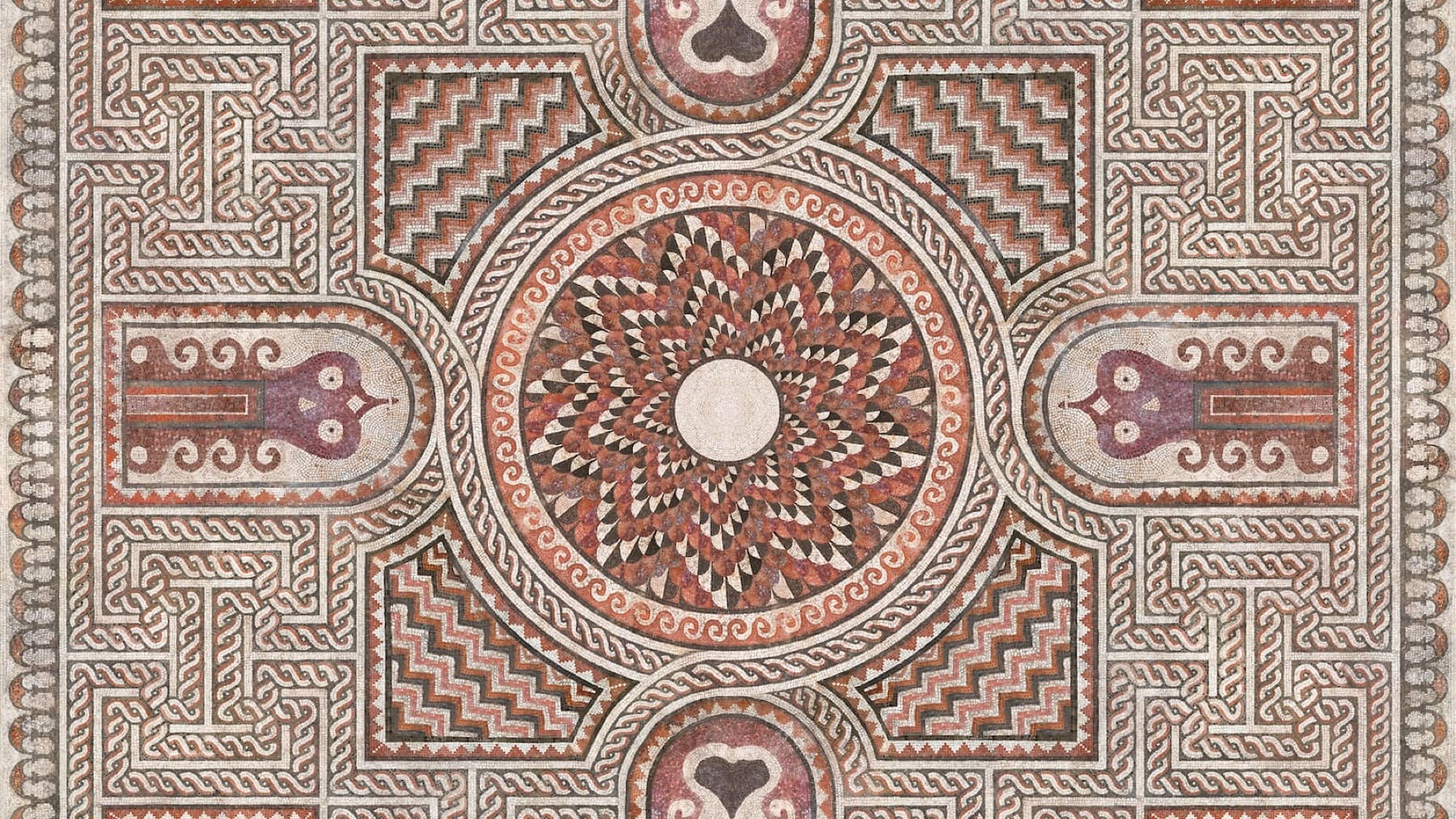
The Mosaic of Tirana
Dating back to the 4th century AD, this mosaic is one of the most important testaments to Roman art in the country. It is composed of thousands of stone tesserae in natural colors: white, black, ochre, and red. It is dominated by geometric motifs and stylized elements such as fish, which are symbolically linked to water, life, and abundance.
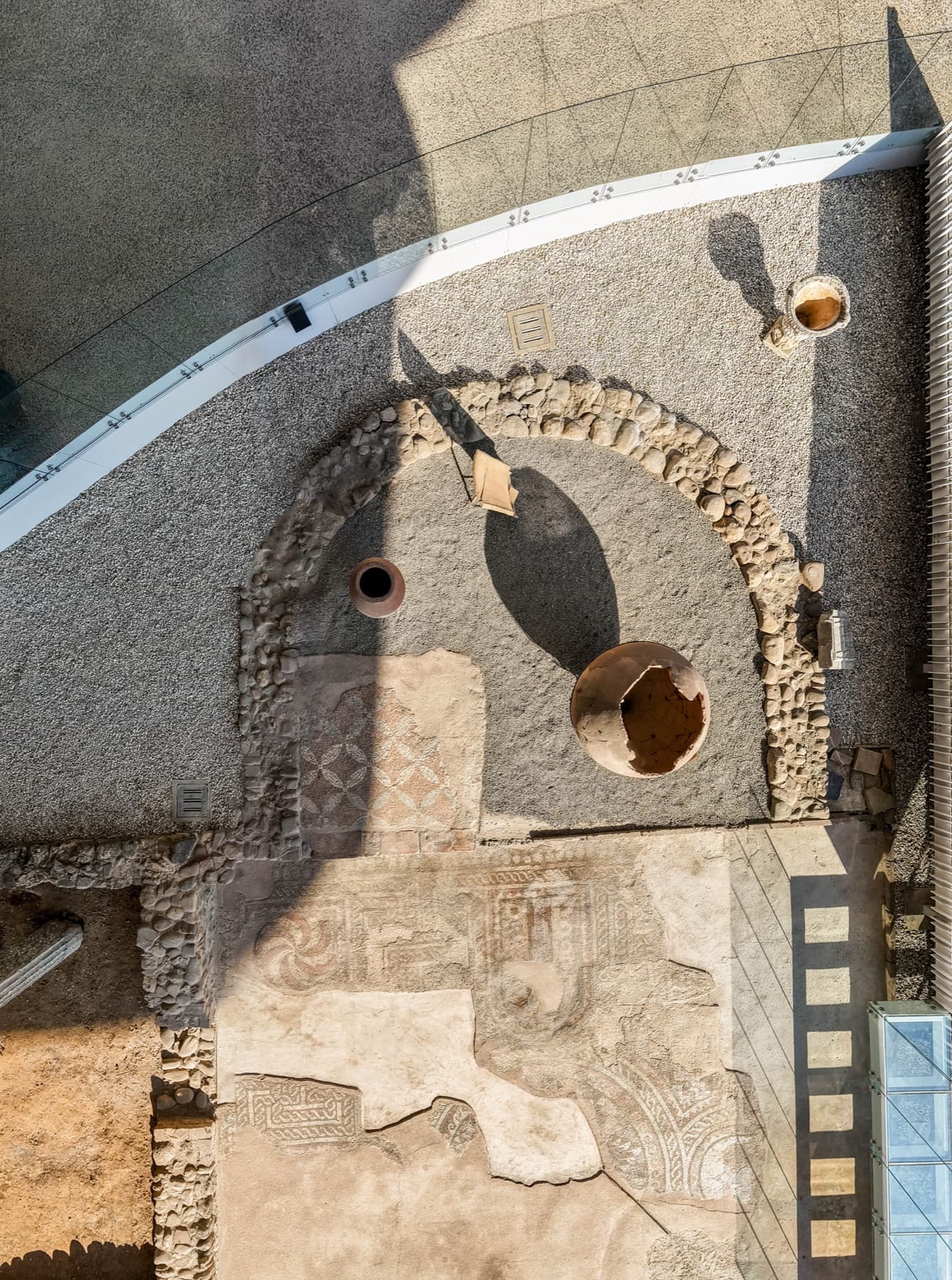
About the Tour
This archaeological site invites you to discover the ruins of a Roman villa and the original 4th-century Mosaic, preserved exactly where it was uncovered. The outdoor tour guides you through the villa's walls, the ancient wine vats, and the mosaic itself. Inside the museum area, you will find artifacts discovered during excavations on this site, paired with multimedia installations that bring history to life interactively. An engaging experience suitable for visitors of all ages.
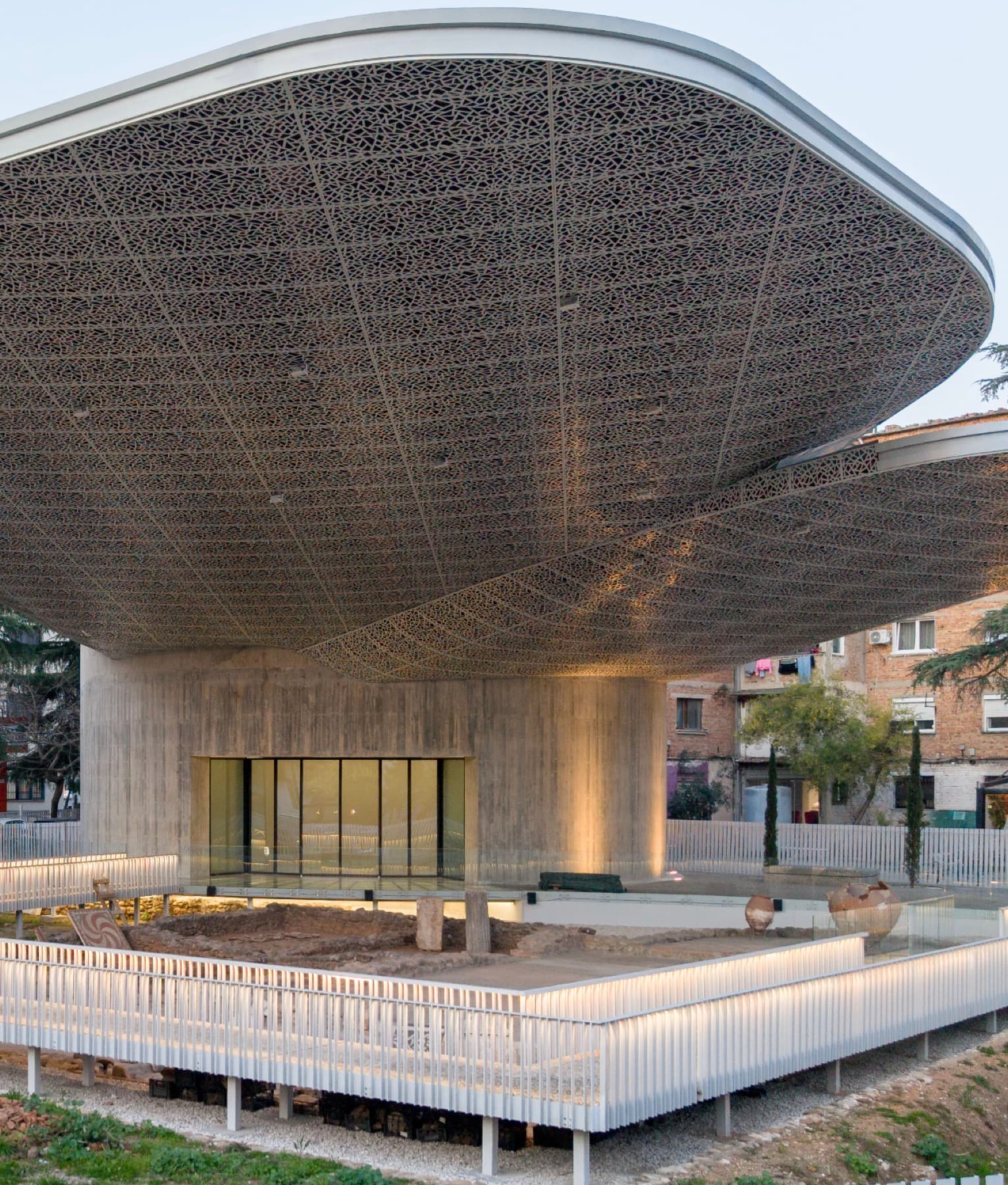
“Ancient life in the heart of the modern city.”